
Page 1 of 6
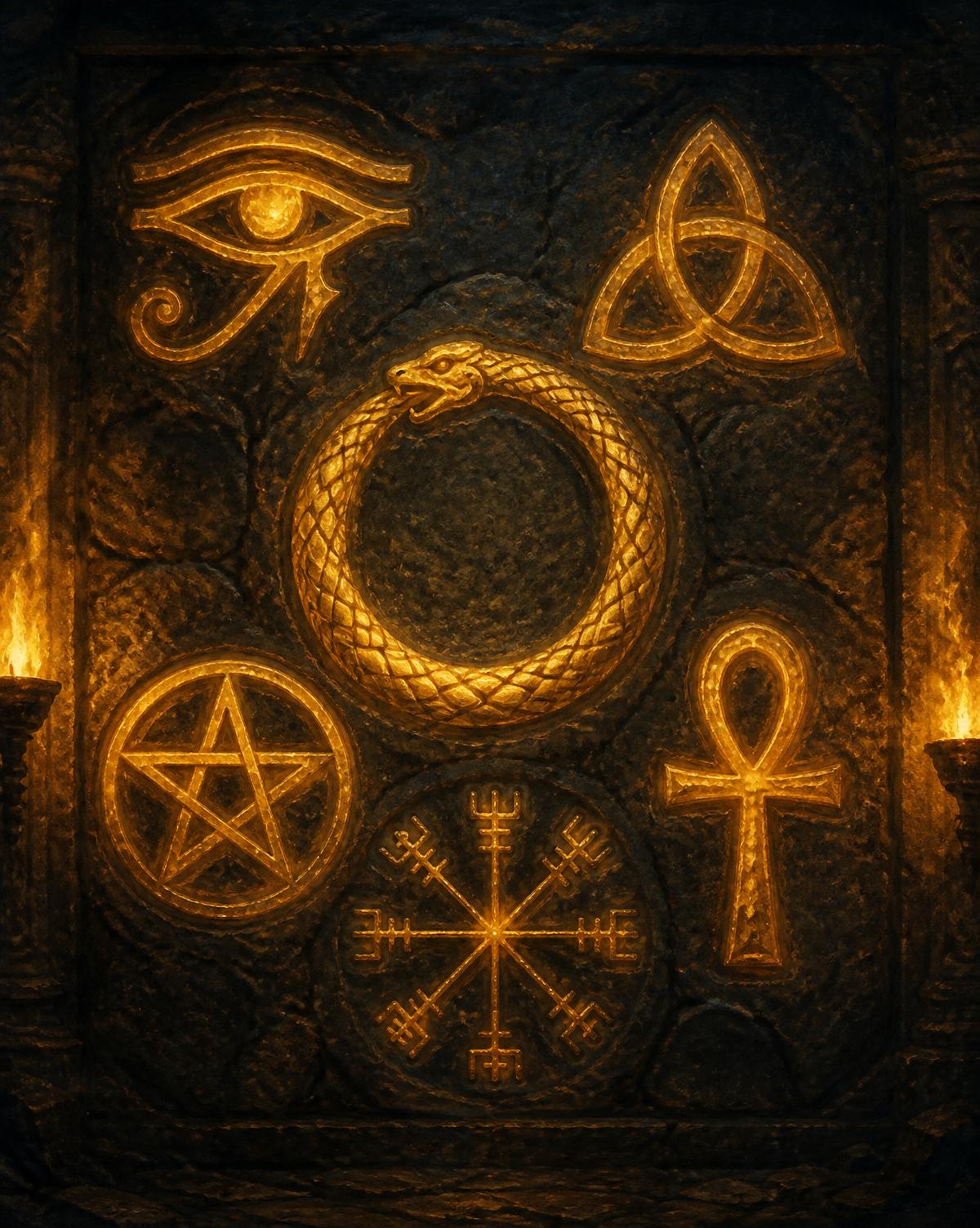
The Ouroboros
Egypt, around 1400 BC
The oldest known drawing of a snake eating its own tail is inside the tomb of the pharaoh Tutankhamun, painted on a golden shrine in the fourteenth century BC.
The Greeks named the image Ouroboros, meaning 'tail-devourer'.
It became the great symbol of alchemy: the endless cycle of destruction and rebirth, of the substance that is its own beginning.
The Norse had their own version — Jormungandr, the world-serpent that circles the earth and bites its tail.
In the nineteenth century a German chemist named August Kekule said he worked out the ring structure of benzene after dreaming of a snake curled biting its tail.
Whether he really did or not, the story stuck.
An idea drawn on a tomb wall in Egypt, three thousand years later, unlocked modern organic chemistry.